Robotaxi technology and Sydney fleet operations
Technology and marketplace context for prospective Australian ground operations. Company examples are informational, not endorsements or partnerships.
Robotaxi technology and mobility platforms: overseas context
The global market is characterized by diverse technological paradigms. We monitor these distinct approaches as they validate safety cases for potential future integration. (Imagery is illustrative of technical concepts, not specific company products).
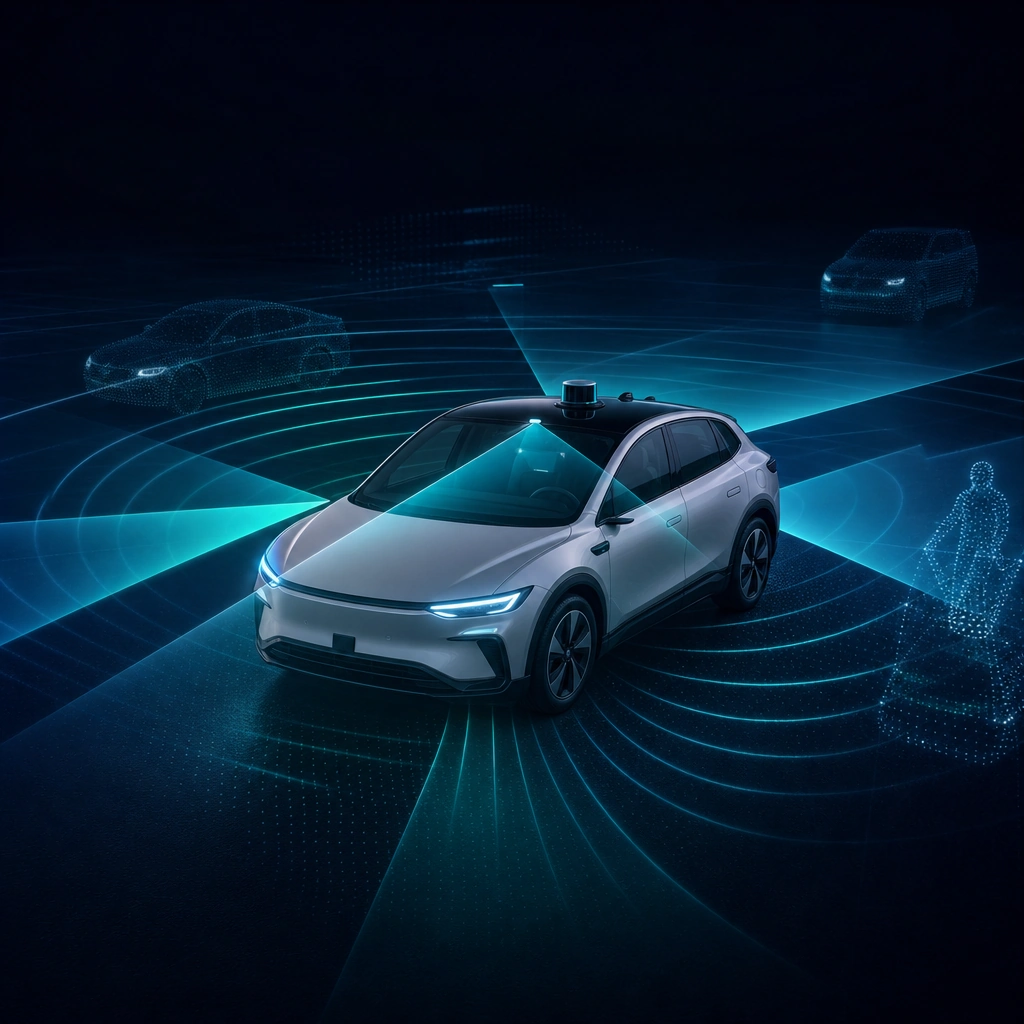
Multi-Sensor Approach
Combines LiDAR, radar, and cameras for redundant environmental mapping. Typically deployed by pioneers building bespoke hardware suites for dense environments.
Waymo
Extensive US commercial deployment using highly calibrated multi-sensor suites.
Baidu Apollo Go
Scaling commercial operations across multiple major Chinese municipalities.
Pony.ai
Developing autonomous networks globally using comprehensive sensor arrays.
Cruise
Previously operational; highlights the critical nature of continuous compliance.
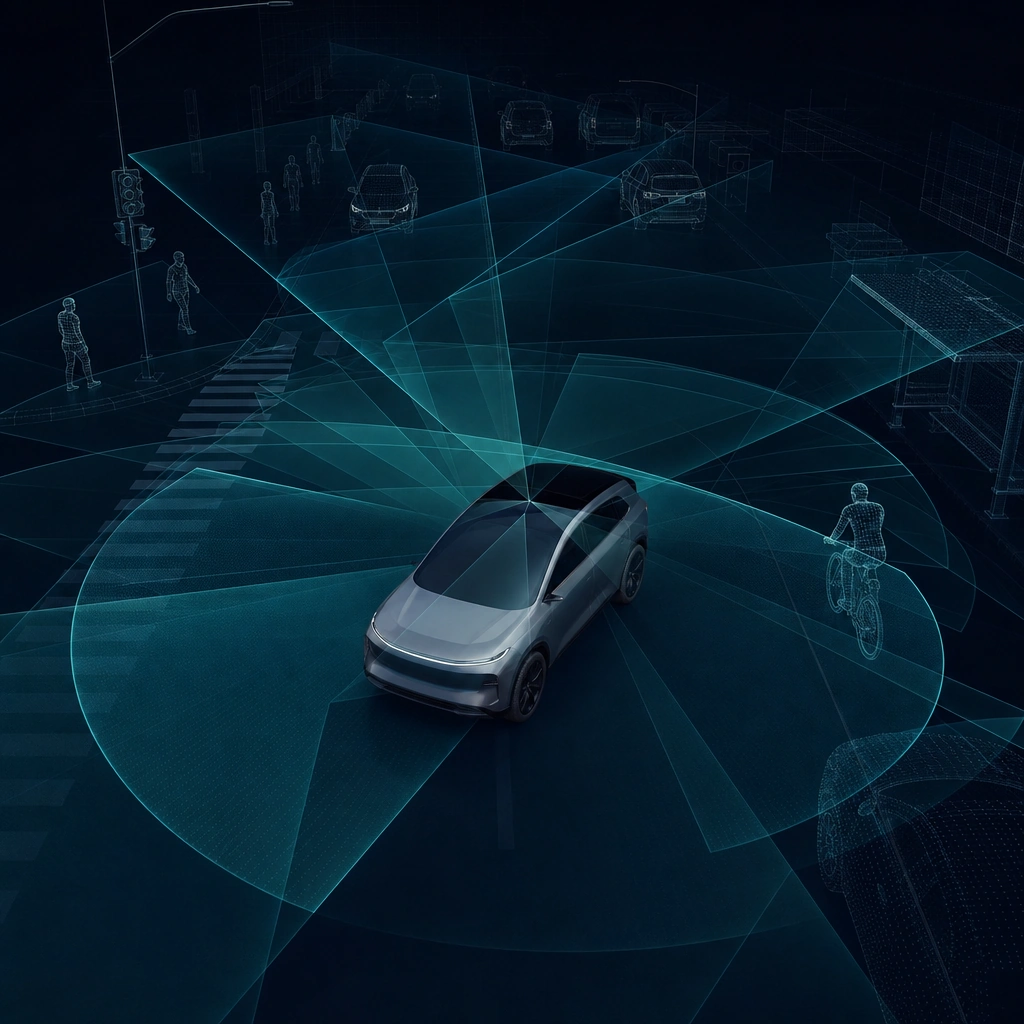
Vision-Primary Approach
Relies primarily on high-resolution cameras and advanced neural networks, leveraging massive data scale for unsupervised driving capabilities.
Tesla
Vision-centric methodology, targeting unsupervised FSD and dedicated network pilots.
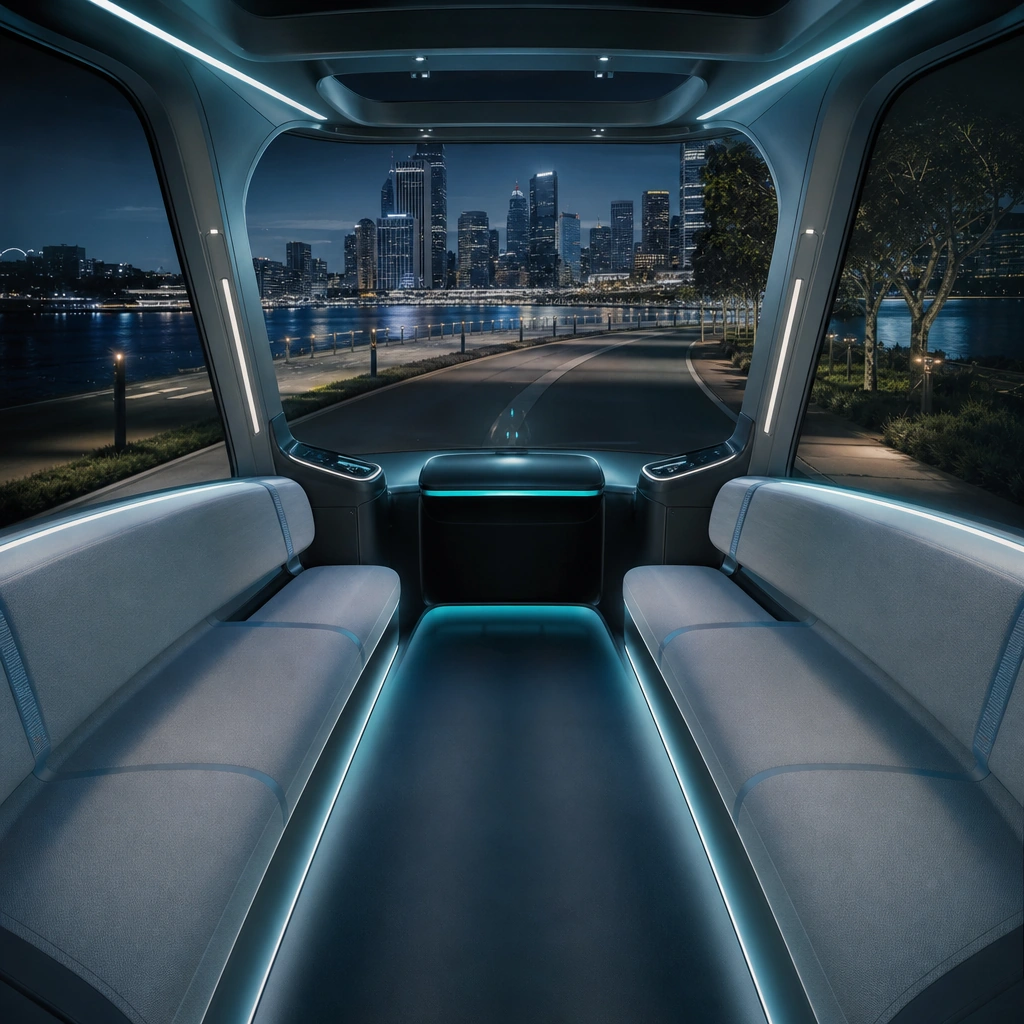
Purpose-Built Vehicles
Vehicles engineered exclusively for autonomous ride-hailing. Features often include bidirectional driving and the removal of traditional manual controls.
Zoox
Amazon-backed bidirectional vehicles designed specifically for dense urban ride-hailing.
WeRide
Global footprint offering purpose-built platforms alongside extensive local collaborators.
Marketplace Integration
In addition to vertically integrated networks, companies like Uber (partnered with NVIDIA and others) are integrating third-party autonomous vehicles into existing global ride-hail marketplaces, providing an alternative go-to-market structure.